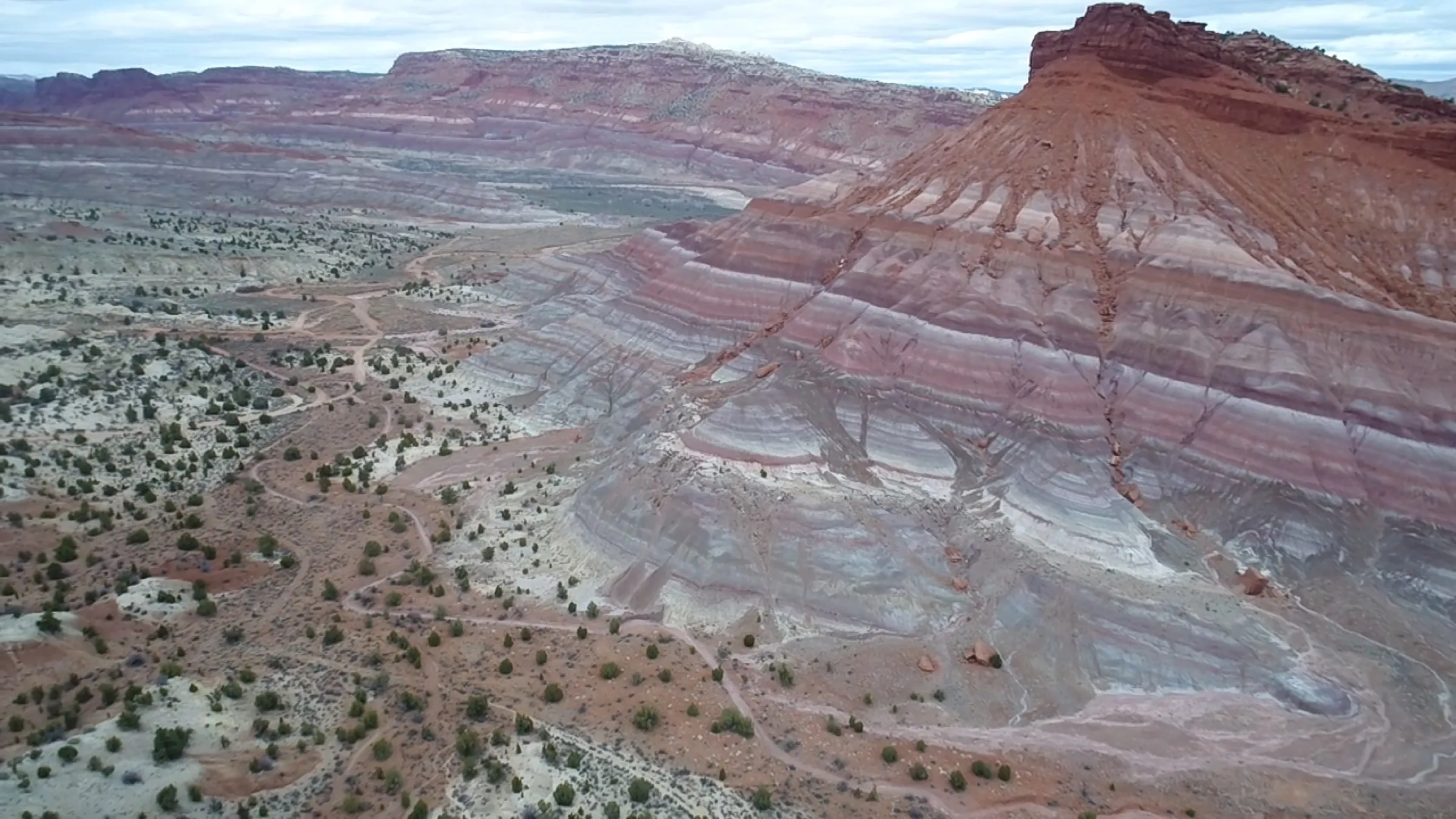
biogeochemistry / molecular fossils / stable isotopes
How does life leave chemical traces in the rock record?
Life leaves chemical traces in rocks. We figure out how those traces are produced and what information they carry.
Read more →Research
We work across biogeochemistry, geobiology, and geospatial science. The common thread is reading the chemical and physical records that life and the environment leave behind, from modern ecosystems to billion-year-old rocks. Across these projects we combine mechanistic science with spatial statistics, open data, and AI-enabled analysis to pull information out of records that no single method reads reliably on its own.
biogeochemistry / molecular fossils / stable isotopes
Life leaves chemical traces in rocks. We figure out how those traces are produced and what information they carry.
Read more →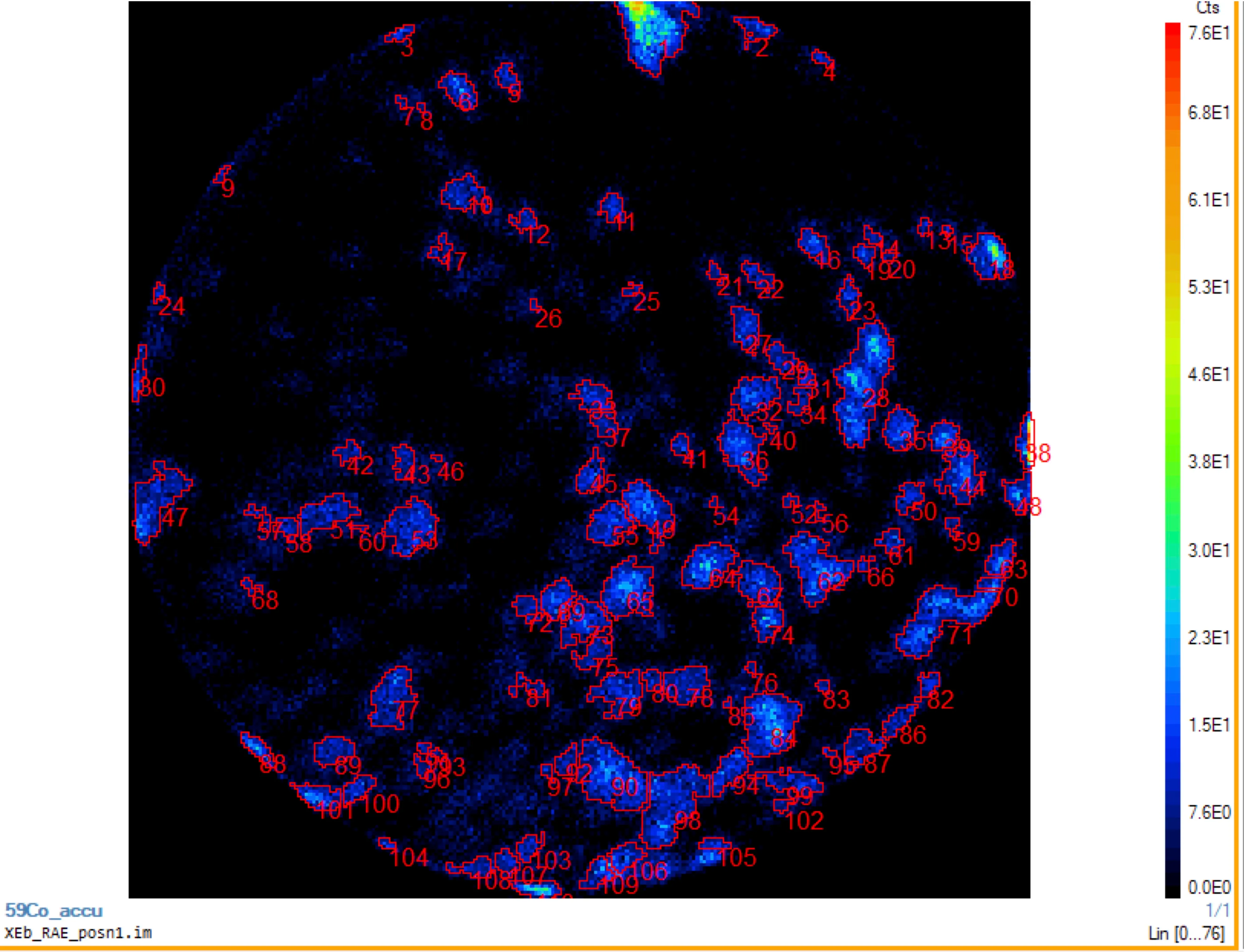
microbiology / SIMS / single-cell
Genetically identical bacteria don't all do the same thing. We use SIMS to measure metabolism one cell at a time and find out why.
Read more →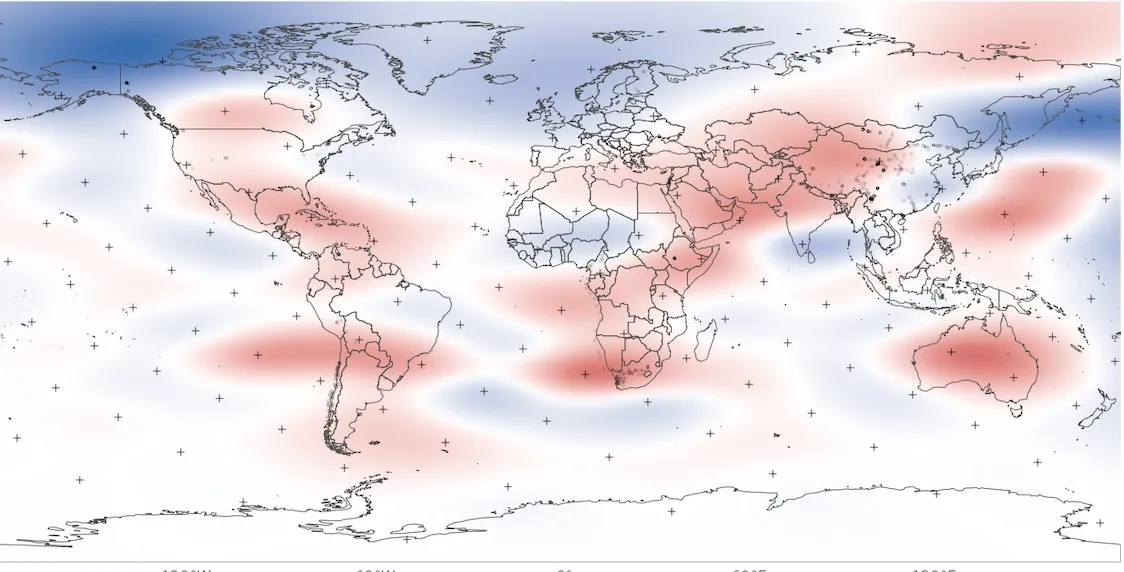
spatial statistics / paleoclimate / isotope geochemistry
Proxy calibrations can be fooled by geography. We build Bayesian spatial models that separate real environmental signals from spatial confounding.
Read more →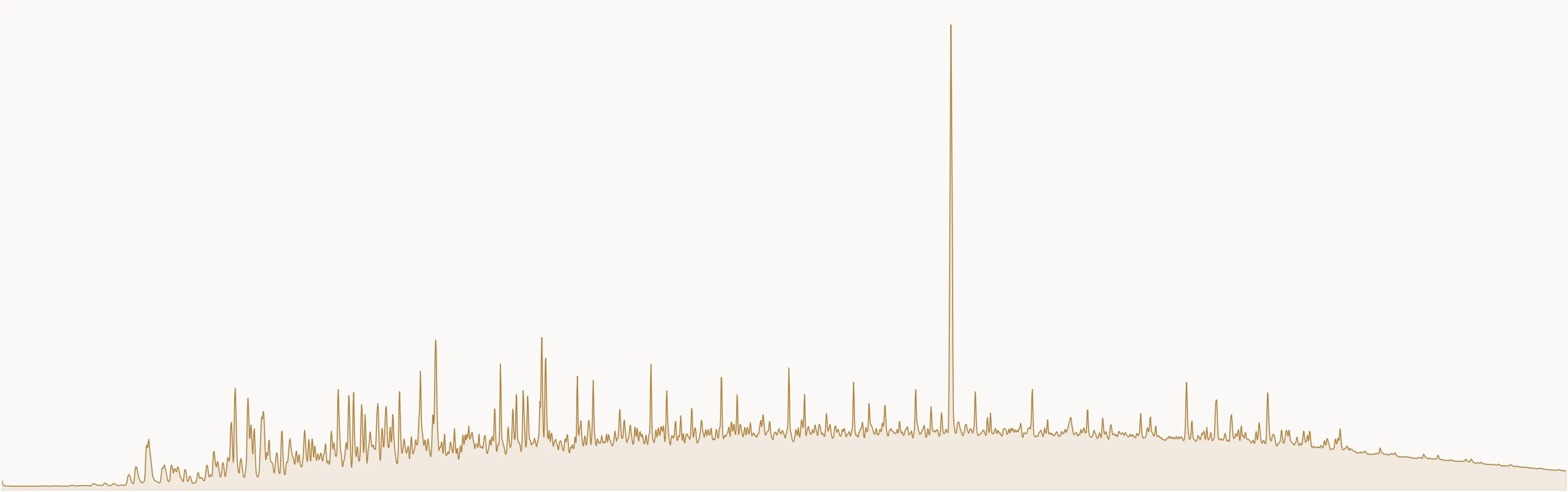
machine learning / artificial intelligence / organic geochemistry
Every oil sample is a molecular fossil record. We are training artificial intelligence on large petroleum geochemistry databases to find patterns that traditional biomarker ratios miss.
Read more →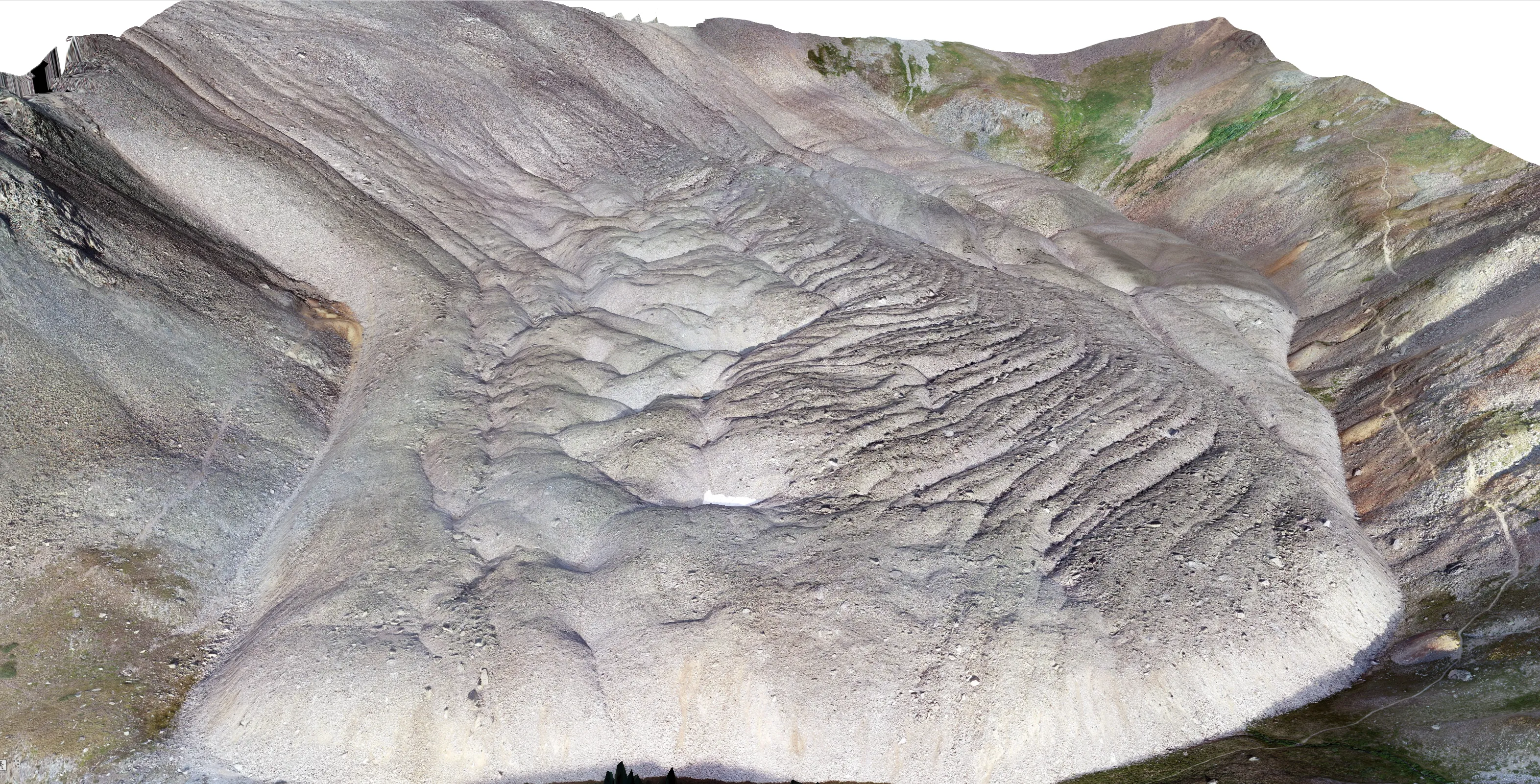
remote sensing / lidar / drones
Most ecological measurements flatten 3D ecosystems into 2D maps. We use lidar and drones to capture the full spatial structure of forests, outcrops, and landscapes.
Read more →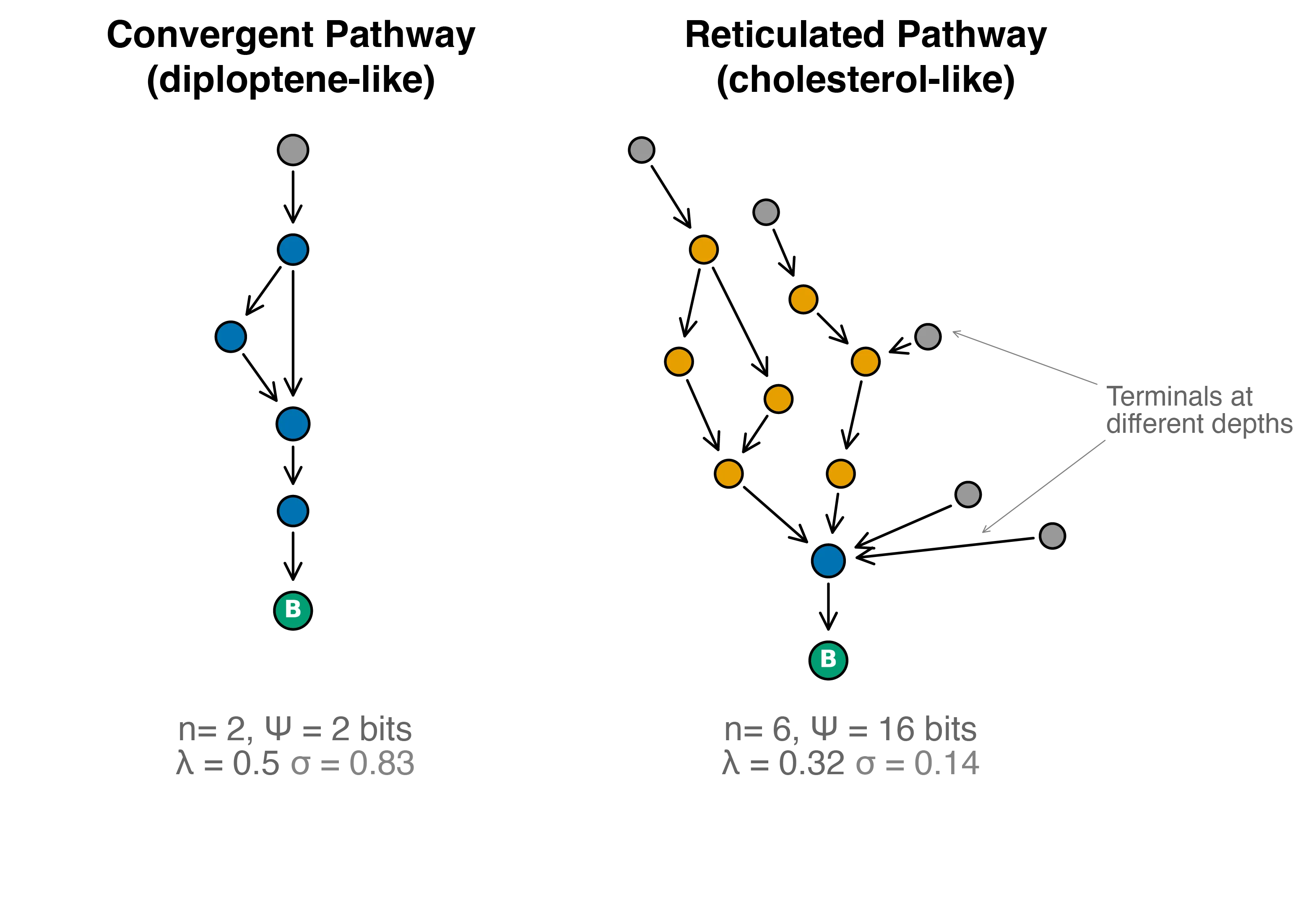
biomarkers / information theory / biosynthesis
Many different organisms can produce the same molecule. We use information theory and biosynthetic network analysis to quantify how much a molecular fossil can actually tell you about its source.
Read more →